

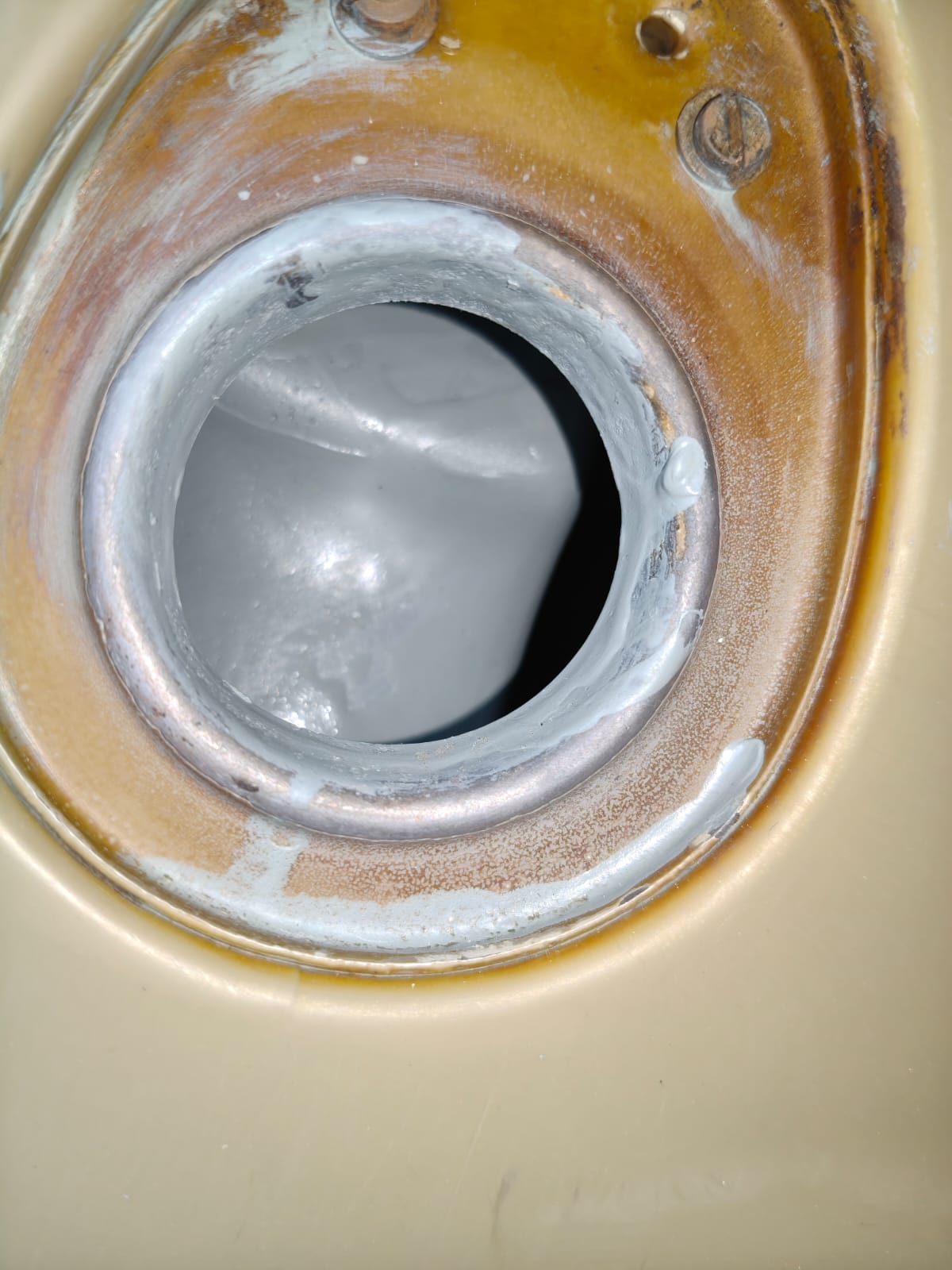
Fuel Tank Anti-Rust Coating: Professional Rust Removal & Epoxy Lining for Automotive Fuel Tanks
A fuel tank is one of the most overlooked components of an automobile. Hidden from everyday view, the inside of a steel fuel tank can gradually develop corrosion, rust and surface deterioration without any obvious warning from the outside.
Once rust begins forming inside the tank, however, it can become more than a cosmetic problem. Loose rust particles can travel through the fuel system, contaminate fuel, restrict filters and potentially affect fuel pumps, injectors, carburetors and other precision components.
At ReflectON Automotive, we offer professional Fuel Tank Anti-Rust Coating and Internal Fuel Tank Restoration for cars, motorcycles and other metal fuel tanks. Our process focuses on removing existing corrosion and creating a protective internal barrier using a professionally applied epoxy liner.
What Is Rust?
Rust is the visible result of the corrosion of iron and steel.
When bare steel is exposed to oxygen and moisture, an electrochemical reaction begins. Iron atoms lose electrons and form iron ions, which subsequently react with oxygen and water to produce hydrated iron oxides and hydroxides. These corrosion products are collectively recognized as rust.
The important point is that rust is not simply something sitting on top of the metal. Corrosion progressively consumes the underlying steel.
As corrosion continues, the surface can become rough and porous before progressing into deeper pitting. In a fuel tank, this can eventually result in perforation, leakage and contamination of the fuel system.
How Does Rust Form Inside a Fuel Tank?
The inside of a fuel tank is particularly vulnerable because it can experience repeated cycles of temperature, humidity and condensation.
A partially filled tank contains an air space above the fuel. As the temperature changes, the tank effectively “breathes,” exchanging air with the atmosphere through its venting system. Moisture present in that air can condense on the internal metal surfaces.
Water is particularly problematic because it can settle at the lowest points of the tank, where it remains in contact with the steel for extended periods.
The problem can become more pronounced in vehicles that are stored for long periods, especially in humid environments.
Ethanol-blended petrol adds another variable. Ethanol has a strong affinity for water, and research has demonstrated that water-contaminated ethanol-gasoline systems can increase the corrosion susceptibility of metallic fuel-system components.
This does not mean that every vehicle running E20 will automatically develop tank corrosion. The tank material, original internal protection, fuel quality, contamination, storage conditions and existing condition of the tank all play important roles.
Why Is Internal Fuel Tank Rust a Serious Problem?
Surface rust may initially appear harmless, but corrosion inside a fuel tank can progressively create loose flakes and fine particles.
These contaminants can enter the fuel delivery system and potentially reach the fuel filter, fuel pump, carburettor or fuel injectors.
A severely corroded tank can also develop pitting and eventually perforation. At that stage, simply cleaning the tank may no longer be sufficient. The structural condition of the tank has to be evaluated before deciding whether restoration or replacement is appropriate.
This is why early intervention is usually preferable to allowing internal corrosion to progress.
How Can Rust Be Removed From a Fuel Tank?
The appropriate rust-removal method depends on the condition, construction and accessibility of the tank.
Mechanical cleaning can remove loose corrosion and scale. Chemical rust treatments can be used to dissolve or convert corrosion products. Abrasive methods can also be effective where access permits.
However, severely rusted or complicated fuel tanks can be difficult to clean uniformly because of their internal geometry. Baffles, seams, corners and recessed areas can make conventional cleaning inconsistent.
This is where electrolytic rust removal, commonly referred to as reverse electrolysis, can be extremely useful.
Reverse Electrolysis for Fuel Tank Rust Removal
At ReflectON Automotive, one of the techniques we use for suitable tanks is reverse electrolysis.
The process uses an electrochemical reaction to help remove iron oxide corrosion from the tank’s internal surfaces.
The rusty tank effectively becomes part of an electrochemical cell. A suitable electrolyte is introduced, and an electrode is positioned within the tank without allowing it to make direct electrical contact with the tank itself.
When controlled electrical current is applied, the electrochemical reaction assists in loosening and reducing the corrosion products from the steel surface.
One of the major advantages of this approach is that the process can reach areas that are difficult to access mechanically. Internal seams, corners and complicated tank geometry can make physical abrasion difficult, whereas an electrochemical process can work across accessible submerged surfaces.
The objective is not simply to make the tank look clean. The objective is to remove as much active corrosion and loose oxidation as practical and prepare a stable substrate for the subsequent internal lining process.
The tank is then thoroughly cleaned, neutralised where required and dried before coating.
Why Thorough Drying Is Critical
Once rust has been removed, preparation becomes just as important as the rust-removal process itself.
An epoxy liner requires a properly prepared substrate to achieve reliable adhesion. Residual moisture, loose corrosion, contaminants, fuel residue or improperly prepared surfaces can compromise the coating.
Therefore, the tank must be completely dry before the epoxy lining process begins.
This is particularly important because the coating is being applied manually inside a confined and irregular space. Unlike a factory-applied coating, the technician must work with the existing geometry and condition of the individual tank.
Manual Epoxy Fuel Tank Lining
After the internal surface has been properly prepared, we apply a suitable epoxy-based fuel tank liner manually.
The objective of the epoxy liner is to create a continuous protective barrier between the steel substrate and the fuel environment.
A properly applied lining can isolate the prepared metal surface from moisture and other corrosive influences while also helping seal minor surface imperfections and corrosion-related porosity.
The application process requires careful control of coating quantity, distribution and curing. The liner needs to cover the relevant internal surfaces without obstructing fuel outlets, vents, mounting points, drain passages or other functional openings.
This is not simply a matter of pouring resin into a tank and shaking it around.
Surface preparation, coating compatibility, application technique and curing are all critical to the final result.
Fuel Tank Anti-Rust Coating Is a Restoration Process, Not Just a Paint Job
A fuel tank liner should never be considered a substitute for proper rust removal.
Applying epoxy over loose, active corrosion can create a weak interface between the steel and the coating. Over time, the coating may lose adhesion as the underlying corrosion continues to develop.
At ReflectON Automotive, our approach is therefore based on the sequence:
Inspect → Remove corrosion → Clean → Prepare → Dry → Apply Epoxy Liner → Cure → Inspect
The objective is to restore the internal surface before establishing the new protective barrier.
How Long Does a Fuel Tank Liner Last?
The service life of an internally coated fuel tank depends on several factors, including the condition of the original metal, preparation quality, coating system, application quality, curing and subsequent maintenance.
There is no responsible universal lifespan that can be guaranteed for every tank.
A professionally restored tank that has been correctly prepared and maintained can provide long-term protection, but the coating remains a manually installed lining and should therefore be treated accordingly.
Fuel Tank Coating Maintenance
Once an epoxy fuel tank liner has been installed, maintenance becomes extremely important.
The most important rule is simple:
Keep water and unnecessary moisture away from the coated interior.
Although the cured coating forms a protective barrier, moisture can potentially find its way into imperfections, seams, edges or small gaps in a manually installed lining. If moisture becomes trapped between the coating and the substrate, it can eventually contribute to adhesion loss and delamination.
For this reason, unnecessary exposure to water should be avoided.
The tank should also not be subjected to unnecessary mechanical abuse.
Do Not Tinker With the Coated Tank
Once the internal coating has been installed, the tank should not be mechanically modified without professional assessment.
Drilling, grinding, scraping, hammering or attempting to mechanically clean the coated interior can damage the liner.
Avoid Panel Beating After Internal Lining
A fuel tank that has been internally lined should be handled carefully during subsequent body repairs.
Panel beating or aggressive deformation of the tank can alter the shape of the metal underneath the coating. Because the epoxy liner is bonded to the internal surface, significant deformation can place stress on the coating and potentially cause cracking or delamination.
For this reason, any major panel work should ideally be completed before the internal fuel tank coating is installed.
Avoid Harsh or Incompatible Chemicals
Do not introduce aggressive cleaning chemicals, solvents or unapproved chemical treatments into a coated tank.
Different coating systems have different chemical-resistance characteristics. A chemical that is harmless to bare steel may not necessarily be compatible with a cured epoxy lining.
The fuel tank should therefore be exposed only to fuels and cleaning products known to be compatible with the installed coating system.
What About E20 Petrol?
E20 petrol is an important consideration for fuel-system maintenance in India.
Ethanol-blended fuels can behave differently from conventional petrol, particularly in the presence of water and other contaminants. Research has demonstrated that ethanol-containing fuel systems can experience increased corrosion under certain conditions, while automotive industry testing has also examined the compatibility of fuel-tank coating systems with higher ethanol blends.
At ReflectON Automotive, we have not currently encountered a consistent E20-related failure pattern in the fuel tanks we have restored and coated.
However, we also do not believe it is technically responsible to claim that every manually applied tank liner will be universally compatible with every fuel formulation and every operating condition.
If an E20-related coating or tank issue is encountered, we evaluate the particular tank, coating condition, fuel exposure and failure mechanism on a case-by-case basis.
The condition of the original tank and the quality of preparation remain just as important as the fuel being used.
When Should You Consider Fuel Tank Anti-Rust Treatment?
Internal fuel tank restoration is worth considering when you notice visible rust inside the tank, recurring rust particles in the fuel system, contaminated fuel, deteriorating internal surfaces or corrosion in a classic or older vehicle.
It is particularly valuable for vintage cars, classic motorcycles, restored vehicles and older metal fuel tanks, where replacement tanks may be difficult to source or where retaining the original tank is important.
The earlier corrosion is addressed, the more options are generally available.
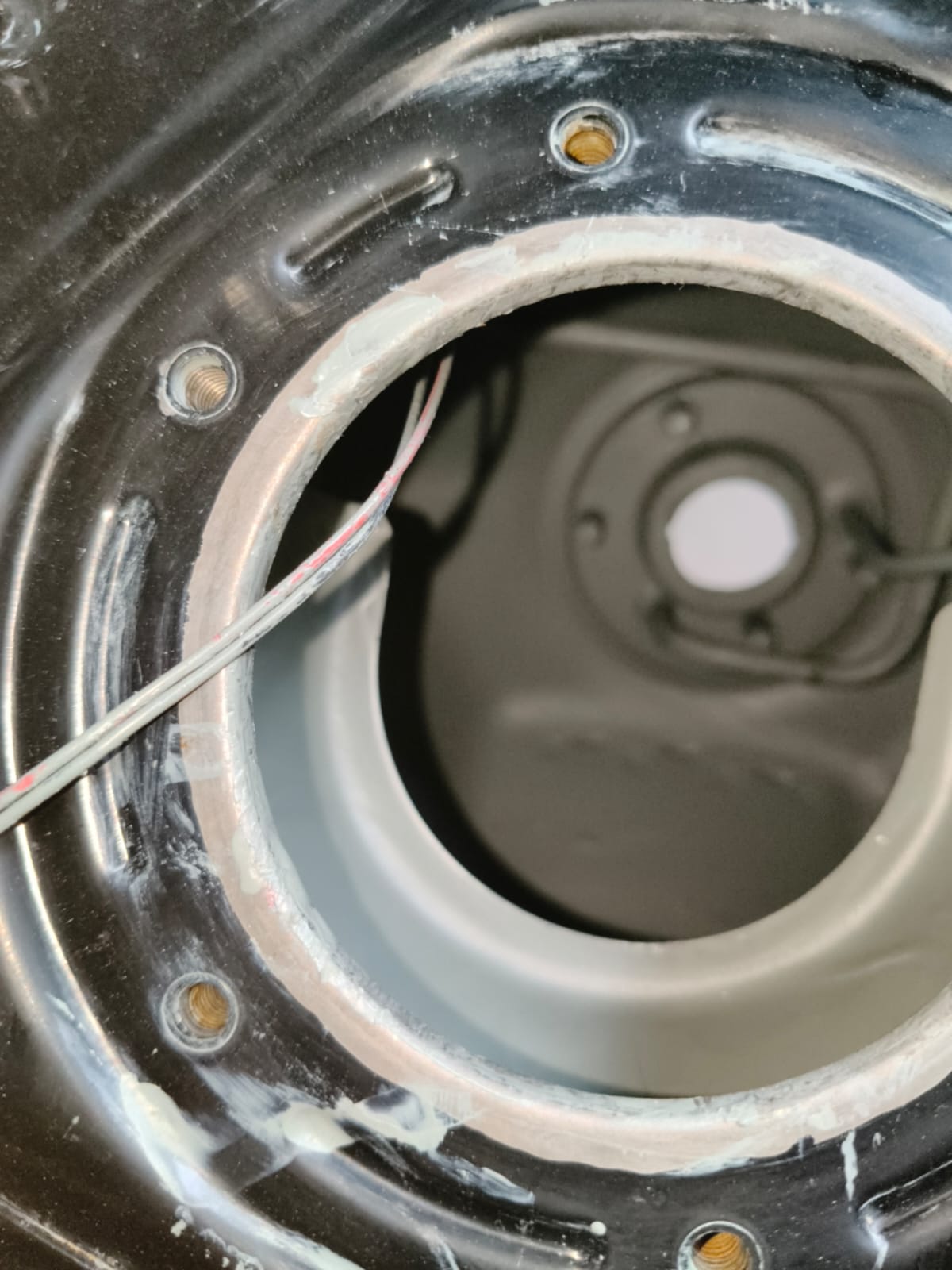
Professional Fuel Tank Rust Removal & Coating at ReflectON Automotive
At ReflectON Automotive, our Fuel Tank Anti-Rust Coating service is designed around the restoration of the existing tank rather than simply covering the problem.
Our process combines inspection, corrosion removal, reverse electrolysis where appropriate, intensive cleaning and drying, followed by manual application of an epoxy internal liner.
The result is a restored internal surface designed to provide a protective barrier against further corrosion while helping extend the usable life of the original fuel tank.
For classic vehicles and modern vehicles alike, the goal is simple:
Remove the rust. Restore the tank. Protect the metal. Preserve the original component.
If your fuel tank has developed internal rust, do not wait until corrosion results in a blocked fuel system, leakage or permanent structural damage.
Visit ReflectON Automotive for a professional inspection and assessment of your fuel tank. Call us on 9980668119 for an appointment.


